
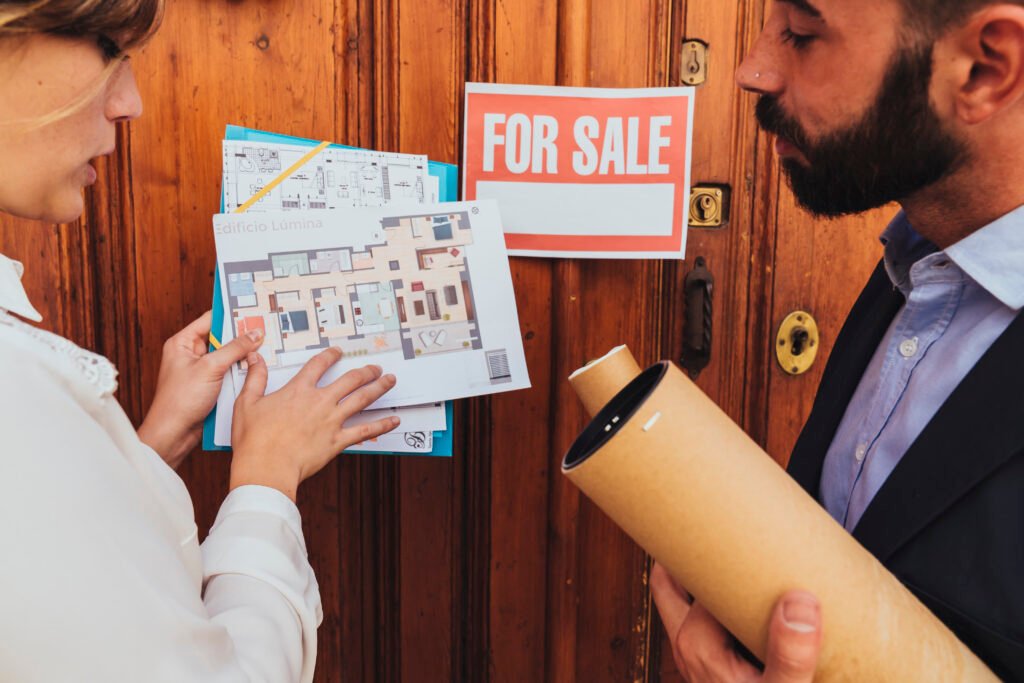
Buying Bali homes is an exciting opportunity, offering a chance to enjoy the island’s beautiful scenery while investing in real estate. Many buyers are attracted to Bali villas for sale or other properties, either as a personal retreat or a long-term investment.
However, the Bali property market comes with potential pitfalls that can lead to costly mistakes, such as legal complications, overpaying, or selecting the wrong location. Understanding these risks and learning how to navigate them is essential for making informed and successful property decisions.
Key Considerations Before Buying Bali Homes
1. Understand Bali’s Strict Property Laws
One of the biggest mistakes buyers make in Bali is not fully understanding property ownership laws. Foreigners cannot directly own freehold land but can legally acquire property through leasehold rights (Hak Pakai) or by setting up a foreign-owned company (PT PMA) to hold leasehold titles.
Some buyers take the risky approach of using local nominees to hold property, which can result in legal disputes and even loss of ownership rights. Always verify land certificates (SHM, HGB, or Hak Pakai) with a trusted notary and ensure the land’s zoning aligns with its intended use, whether residential or commercial.
Tips:
- Work with a trusted Bali real estate agent, such as Pure Land Bali, who knows local regulations.
- Consider leasehold rights or using a company structure for foreign ownership.
- Always check land certificates and legal documents before completing any transaction.
2. Don’t overpay for a Property
Bali is known for its wide range of property prices, especially in popular areas like Seminyak or Canggu. Many buyers end up paying too much without doing proper market research.
Tips:
Compare prices of similar properties in the same area.
Use a Bali property agent like Pure Land Bali to get accurate market analysis and negotiation advice.
Avoid being swayed by aesthetics or trendy locations without checking realistic prices.
Verifying zoning and building permits at the local authorities.
Conducting a physical survey with an independent surveyor.
Reviewing transaction history via the National Land Agency (BPN).
3. Choose the Right Location, Not Just the Trendy One
Location is a key factor that determines property value in Bali, yet many buyers focus too much on trends or popularity rather than long-term potential. Choosing the wrong area can lead to future problems, including natural hazards and limited investment growth.
It’s wise to avoid flood-prone zones, such as rice fields near Canggu or Ubud, which are susceptible to seasonal flooding and landslides. Instead, consider proximity to essential amenities like airports, international schools, and tourist hotspots, which can enhance both lifestyle convenience and property appreciation over time.
4. Consider Additional Costs
In addition to the property’s purchase price, many buyers often overlook extra expenses such as taxes, notary fees, maintenance, and renovation costs, which can quickly add up and strain their budget. Being aware of these additional costs beforehand is essential to avoid financial surprises after the purchase.
To manage these expenses effectively, buyers should prepare for extra costs of at least 10–15% of the property’s price and discuss all potential fees with a trusted real estate agent. It is also important to consider long-term operational costs, especially if the villa will be used as a rental property, to ensure the investment remains profitable over time.
5. Choosing the Right Real Estate Agent
Working with an inexperienced agent can lead to wasted time, unnecessary expenses, and potential legal problems. A knowledgeable local agent, on the other hand, can guide you through the process, help identify the best properties, and minimize risks.
To ensure a smooth experience, choose a reputable Bali real estate agent with a proven track record and verified client testimonials. Make sure the agent understands your specific goals, whether you are looking for an investment property or a personal residence.
6. Inspect the Property Thoroughly
Another common mistake is rushing into a purchase without inspecting the property carefully. Check building conditions, construction quality, and facilities before committing.
Tips:
Conduct a physical inspection of the house and surroundings.
Hire professionals to check structural integrity and electrical systems.
Ask about previous renovations and maintenance history.
Popular Bali Locations and Property Overview
Location | Average Price Range (USD) | Property Type | Investment Potential | Notes |
Seminyak | 300,000 – 1,500,000+ | Villas, Apartments | High | Trendy beachfront hub; luxury villas exceed $1M, strong rental yields from tourists |
Canggu | 240,000 – 1,200,000 | Villas, Townhouses | High | Surfing hotspot with vibrant expat scene; 2-3 bed villas average $500K-$840K |
Ubud | 200,000 – 700,000 | Villas, Houses | Moderate to High | Cultural retreat area; nature-focused properties $250K-$500K, quieter appreciation |
Sanur | 150,000 – 500,000 | Apartments, Villas | Moderate | Family-oriented beach town; more affordable, stable, but slower growth than the south |
Jimbaran | 277,000 – 1,000,000+ | Villas, Houses | High | Luxury beachfront options; mirrors Uluwatu trends, high-end villas $700K+ |
The Importance of a Professional Real Estate Agent
Going solo without an experienced agent significantly increases your risk of encountering legal issues or overpaying. A reputable local agent can guide you through Bali’s complex property regulations while connecting you with the best Bali property options.
Always choose agents with proven track records and proper certification from AREBI to ensure credibility. A skilled agent not only facilitates the purchase but also supports you throughout the closing process, making the transaction smoother and more secure.
FAQ
Can foreigners buy property in Bali?
Foreigners cannot directly own land (Hak Milik) but can buy using leasehold rights or through a PT PMA company according to Indonesian law.
What additional costs should I expect when buying property in Bali?
Additional costs include taxes, notary fees, maintenance, and renovation. Budget at least 10–15% of the property price.