
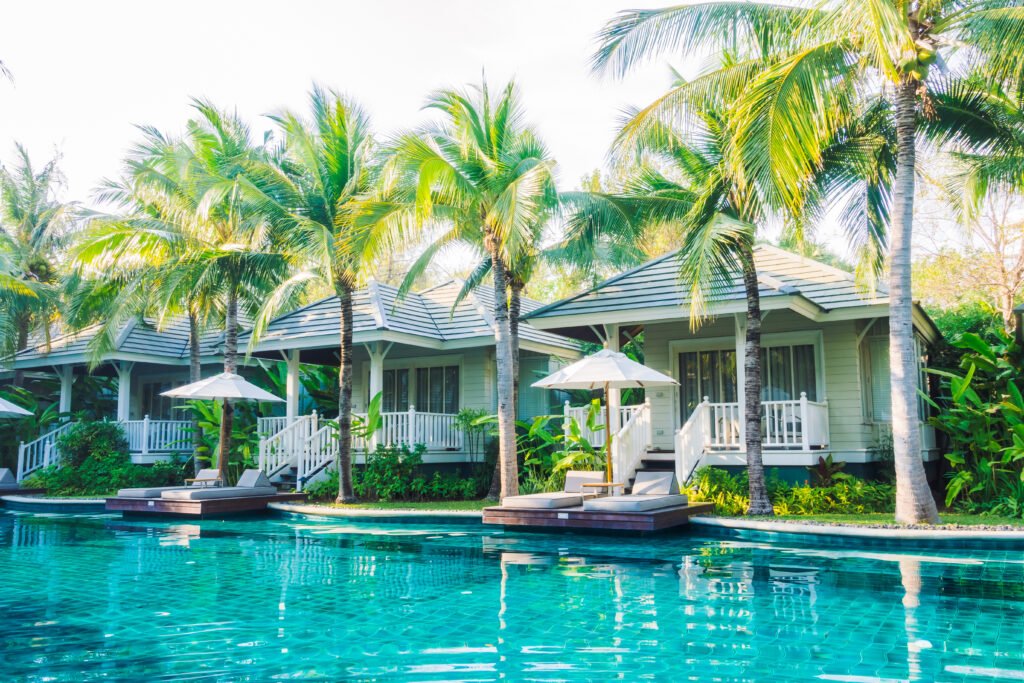
Bali luxury villa is increasingly recognized not just as lifestyle properties, but as strategic investment assets within Indonesia’s evolving real estate landscape. For decades, Jakarta’s high-rise apartments symbolized prestige and stability, yet shifting market dynamics are prompting investors to reconsider where long-term value truly lies.
The “Jakarta Shift” reflects more than a preference for ocean views over city skylines; it represents a calculated move toward stronger yield potential and asset scarcity. As global travel behavior, remote work trends, and experiential living reshape demand, many investors now see greater flexibility and resilience in villa-based investments compared to urban vertical residences.
1. The Yield Gap: Capital Gains vs. Cash Flow
Jakarta apartments have traditionally been viewed as long-term capital appreciation plays. However, with an oversupply in the luxury segment and a slower resale market, many investors find their capital “trapped.”
In contrast, Bali operates on a high-velocity short-term rental economy. A well-managed villa doesn’t just sit on a balance sheet; it generates consistent monthly cash flow. With occupancy rates in prime areas often exceeding 70%, net yields in Bali frequently outperform those in Jakarta’s residential rental market by 2x or 3x.
Comparison: Jakarta Apartment vs. Bali Villa
Feature | Jakarta Luxury Apartment | Bali Luxury Villa |
Primary Driver | Corporate Leases / Capital Growth | Tourism / Short-term Rental Yield |
Typical Net Yield | 3% – 5% | 8% – 12%+ |
Land Ownership | Strata Title (HGB) | Hak Pakai / Leasehold (Long term) |
Lifestyle Usage | Limited (City Living) | High (Holiday Home + Income) |
2. The Post-Pandemic “Space Race.”
The global pandemic permanently reshaped the meaning of “luxury.” In Jakarta, luxury is often associated with vertical living, concierge services, premium facilities, and exclusive gyms, whereas in Bali, it is increasingly defined by privacy, open air, and generous living space.
Today’s high-net-worth individuals (HNWIs) are no longer satisfied with shared elevators and communal pools; they seek fully self-contained sanctuaries that offer control, comfort, and seclusion. This shift in preference has fueled growing demand for larger, family-oriented properties, such as a 3-bedroom villa Bali, which appeal both to digital nomad families and high-spending travelers seeking a private, secure retreat.
3. The “Seminyak vs. SCBD” Lifestyle Multiplier
Jakarta’s SCBD (Sudirman Central Business District) offers world-class dining and proximity to work. But Bali offers a lifestyle that Jakarta simply cannot replicate: the integration of work and wellness.
Investors are realizing that if they purchase a 4-bedroom villa Seminyak, they aren’t just buying bricks and mortar. They are buying a multifunctional asset.
The Dry Season (April–October): The villa generates peak rental income.
The Off-Season: The investor uses the villa as a personal retreat or a remote office.
This “Hybrid Usage” model is nearly impossible with a Jakarta apartment, which is usually tied to a 12-month corporate contract, leaving the owner no window for personal enjoyment.
4. Land Scarcity and the “Hearth” Effect
In Jakarta, vertical expansion allows developers to continuously add new supply to the market. When demand increases, new high-rise towers, often 30 to 40 floors, can quickly enter the pipeline, which may limit long-term price appreciation due to recurring oversupply in certain districts.
Bali operates under a fundamentally different framework. Zoning regulations such as KDB (Koefisien Dasar Bangunan) and the widely known “Coconut Tree Height” principle, restricting buildings to approximately 15 meters, preserve horizontal scarcity, meaning villa ownership represents control over limited land in a globally recognized destination; this built-in scarcity acts as a natural hedge against inflation and helps explain why the Bali luxury villa market tends to remain resilient even amid broader economic fluctuations.
5. Better Management Infrastructure
Historically, managing a villa from Jakarta was a headache. Today, Bali’s professional property management ecosystem is world-class. From specialized marketing agencies to luxury hospitality managers, an investor can be completely “hands-off.”
Jakarta apartments often require the owner to deal with building management (PPRS) and individual tenant issues. In Bali, the “Hospitality-led” management style ensures the asset is maintained to a 5-star standard daily, preserving its value far better than a standard city condo.
6. Strategic Diversification
For Indonesian investors, allocating capital to Bali represents a strategic form of domestic diversification. While Jakarta’s economy is largely anchored in government activity, finance, and manufacturing, Bali operates within a globally connected ecosystem driven by international tourism and foreign spending.
By holding property assets in Bali, investors gain exposure to income streams that are closely linked to the U.S. Dollar and the euro. This dynamic can serve as a natural hedge, as foreign-currency–influenced rental demand may help preserve purchasing power when the Rupiah experiences volatility.
Conclusion: A New Era of Indonesian Wealth
The Jakarta Shift reflects a natural maturation of Indonesia’s real estate market, where investors are becoming more analytical and yield-focused rather than driven solely by prestige. Instead of prioritizing high-rise addresses in dense urban districts, many are reallocating capital toward performance-oriented assets in lifestyle destinations that offer stronger income flexibility and long-term appreciation potential.
Whether it is the privacy of a boutique villa or the scale of a larger estate, both financial indicators and evolving lifestyle preferences increasingly favor Bali’s resort-driven property market. For investors considering a portfolio transition, entering established high-demand areas such as Seminyak or Canggu can provide a more secure foothold due to proven rental demand, developed infrastructure, and sustained international appeal.
FAQ
Is it better to buy a leasehold or Hak Milik (Freehold) in Bali?
For most foreign investors and many Jakartans looking for pure ROI, Leasehold offers a lower entry point and higher net yields. However, for long-term generational wealth, Hak Milik (available to Indonesians) remains the gold standard for capital preservation.
Which area in Bali offers the best rental yield in 2026?
While Canggu remains popular, “The New Seminyak” (Umalas) and the Uluwatu clifftops are currently seeing the highest growth in rental rates due to improved infrastructure and a shift toward “Quiet Luxury.”