
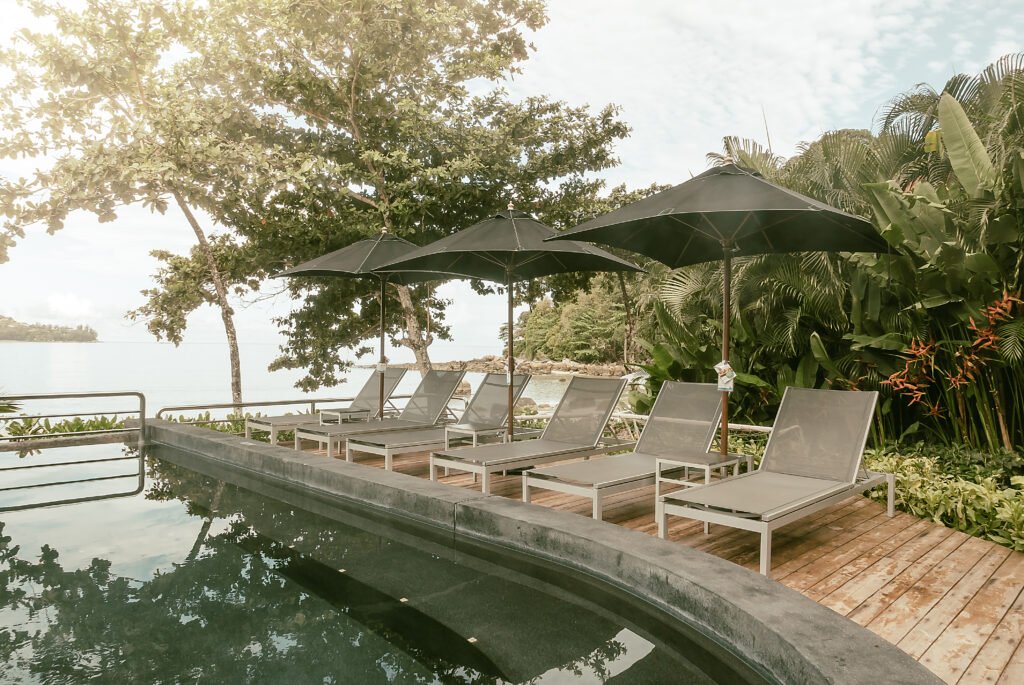
Sustainable villa design in Bali is reshaping the island’s architectural identity. While Bali has long been synonymous with spiritual retreats and tropical escapes, a new movement is emerging, one that prioritizes harmony between refined comfort and environmental responsibility.
It is no longer enough for a property to simply be visually striking; today’s discerning travelers and investors expect high-end living to align with ecological stewardship. This evolution has given rise to eco-luxury, a design philosophy redefining the real estate landscape across prime areas such as Canggu, Uluwatu, and Ubud.
As global awareness regarding carbon footprints grows, the desire to own a piece of paradise that respects the local ecosystem has become a priority. For those looking to バリ島でヴィラを購入する, understanding these sustainable trends is essential to making a future-proof investment.
The Core Pillars of Sustainable Villa Design in Bali
Modern sustainable villa design in Bali is moving away from the “cookie-cutter” concrete boxes of the past. Architects are now blending traditional Balinese wisdom, known as Tri Hita Karana (harmony between humans, nature, and the spirit).
1. Biophilic Architecture
Biophilic design seeks to connect occupants more closely to nature. In Bali, this manifests as open-air living rooms that eliminate the need for 24/7 air conditioning, indoor gardens, and infinity pools that use natural stone filtration rather than harsh chemicals. This approach reduces energy consumption while significantly enhancing the mental well-being of the residents.
2. Ethically Sourced Materials
The “luxury” in eco-luxury comes from the texture and story of the materials used. We are seeing a massive resurgence in:
Reclaimed Teak: Sourced from old Javanese houses, providing a rich patina that new wood cannot match.
Bamboo: Often called “the vegetable steel,” bamboo is used for dramatic, curvaceous roof structures that have become iconic to Bali’s new aesthetic.
Recycled Glass and Stone: Used for countertops and flooring to minimize waste.
Energy Efficiency and Smart Technology
A villa is only as sustainable as its operational footprint. The new trend in Bali involves integrating “invisible” technology that manages resource consumption without compromising the five-star experience.
Solar Integration and Passive Cooling
While solar panels were once considered an eyesore, new integrated photovoltaic systems are being built directly into rooftop designs. Furthermore, “passive cooling” techniques, such as high ceilings and strategic cross-ventilation, ensure that the tropical heat remains manageable.
For European investors looking to Villa auf Bali kaufen, these energy-saving features are a major draw, as they drastically reduce monthly maintenance costs.
Water Conservation Systems
Water scarcity is a real concern in Bali. Eco-luxury villas now standardly include:
Rainwater Harvesting: Collecting tropical downpours for garden irrigation.
Greywater Recycling: Treating sink and shower water for use in toilets.
Desalination/Advanced Filtration: Ensuring high-quality water without depleting the local water table.
Comparison: Traditional Luxury vs. Eco-Luxury
To understand why this trend is dominating the market, let’s look at how the definition of “luxury” has evolved:
| Feature | Traditional Luxury | Eco-Luxury Trend |
| Cooling | Constant AC in closed glass spaces | Natural ventilation & solar-powered cooling |
| Materials | Imported marble & rare hardwoods | Local stone, bamboo, & reclaimed timber |
| Landscaping | Manicured “European” lawns | Permaculture gardens & native flora |
| Lighting | High-wattage decorative fixtures | LED smart-lighting & maximized natural light |
| Impact | Disconnected from local ecology | Integrated with the natural environment |
Why Investors are Shifting Toward Sustainability
From a financial perspective, eco-luxury is more than just a “feel-good” choice; it is a strategic one. The rental market in Bali is increasingly dominated by Gen Z and Millennial travelers who specifically filter for “eco-friendly” stays on booking platforms. Properties that boast green certifications or sustainable designs often command higher nightly rates and enjoy better occupancy levels.
Furthermore, as the Indonesian government tightens regulations on land use and environmental protection, sustainable villas are less likely to face legal hurdles or “green taxes” in the future. Whether your goal is to купити виллу на Бали for personal use or as a high-yield rental, the “green premium” is becoming a tangible reality in the island’s appraisal values.