
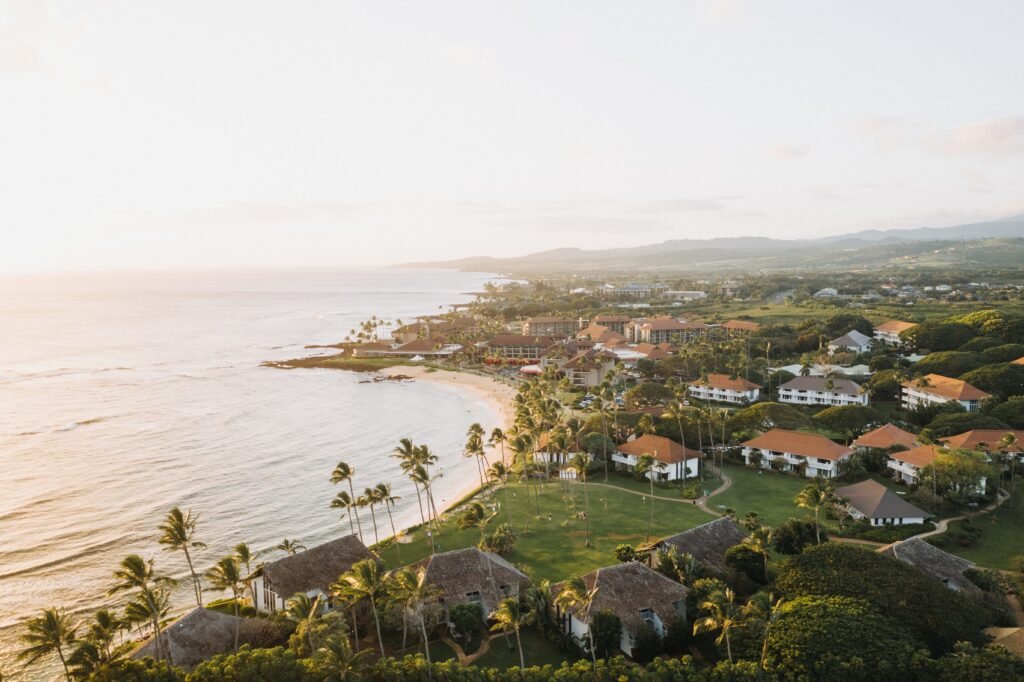
Real estate investment in Bali has evolved far beyond the idea of owning a holiday home in a tropical destination. For decades, Bali has been synonymous with paradise, rice terraces in Ubud, dramatic cliffs in Uluwatu, and sunsets that define the island’s visual identity.
The island is no longer just a backpacker’s haven; it has evolved into a global powerhouse for property acquisition. Even with the rapid rise of markets in Vietnam, Thailand, or the Philippines, Bali consistently maintains its crown as the premier destination for capital placement in Southeast Asia.
But what exactly keeps the “Island of the Gods” at the top of the leaderboard? It is a unique cocktail of high rental yields, a maturing infrastructure, and a cultural magnetism that simply cannot be replicated by artificial cityscapes.

The Economics of Balinese: A High-Yield Haven
When investors look at Southeast Asia, they typically compare “The Big Three”: Bangkok, Phuket, and Bali. While Bangkok offers urban stability and Phuket provides established luxury, Bali offers a distinctive edge in Gross Rental Yields.
On average, well-managed villas in hotspots like Canggu or Pererenan can generate annual yields ranging from 8% to 15%. This significantly outpaces the 3-5% often seen in major European or Australian cities. This profitability is driven by Bali’s unique “365-day season.”
Unlike Mediterranean markets that shut down in winter, Bali enjoys high occupancy rates year-round, fueled by a diverse demographic ranging from digital nomads to luxury holidaymakers.
Quick Market Comparison: Rental Yields & Capital Appreciation
| Factor | Bali (Indonesia) | Phuket (Thailand) | Da Nang (Vietnam) |
| Average Rental Yield | 8% – 15% | 5% – 8% | 4% – 6% |
| Occupancy Rate | High (Year-round) | Seasonal | Emerging |
| Capital Growth | 15% – 20% Annually | 5% – 10% Annually | High (but volatile) |
| Key Attraction | Lifestyle & Culture | Beach Tourism | Industrial Growth |
Shifting Demographics: From Tourists to Residents
One of the primary reasons Bali remains a resilient investment is the shift in who is staying on the island. The post-pandemic era accelerated the “Digital Nomad” trend, turning Bali into a global hub for remote work.
The Indonesian government has been proactive in supporting this shift. The introduction of the Second Home Visa and the Remote Worker Visa (E33G) has made it significantly easier for high-net-worth individuals and professionals to stay long-term. This creates a consistent demand for high-quality housing. Investors are no longer just looking at short-term holiday rentals; there is a massive market for long-term luxury leases.
For many international buyers, the dream often starts with a search for a secondary residence. For instance, European investors often look to Villa auf Bali kaufen as a way to hedge against inflation while securing a lifestyle asset that doubles as a revenue generator.
Infrastructure Evolution: The End of “Island Limitations”
Historically, the “con” of Bali was its infrastructure, narrow roads and inconsistent internet. That narrative is changing rapidly. The Indonesian government is pouring billions into the Bali South Ring Road and the proposed LRT (Light Rail Transit) system designed to connect Ngurah Rai International Airport to the congested coastal strips.
Why Infrastructure Matters for Your ROI:
Accessibility: Improved roads mean areas once considered “remote,” like Kedungu or Cemagi.
Property Value: As connectivity improves, land prices in the outskirts of Seminyak and Canggu inevitably spike.
North Bali Development: The ongoing discussions regarding a second airport in the north continue to keep long-term land speculators interested in the island’s northern coastline.
Cultural Preservation and Zoning: The Scarcity Factor
Unlike other Southeast Asian destinations that have succumbed to “concrete jungle” syndromes, Bali operates under strict building codes inspired by local philosophy. The Tri Hita Karana (harmony between humans, nature, and God) influences zoning laws, such as the prohibition of buildings taller than a coconut tree.
This creates a forced scarcity. You cannot build massive high-rise apartments on the beach in Canggu. Because supply is naturally limited by geography and regulation, the value of existing luxury villas continues to climb. When you decide to Acheter une villa à Bali, you aren’t just buying bricks and mortar; you are buying a stake in a limited geographical space that is protected by cultural law.
Sustainable and Green Investment Trends
The modern investor is increasingly concerned with ESG (Environmental, Social, and Governance) factors. Bali is leading the way in Southeast Asia for “Biophilic Design.” Developers are moving away from sterile modernism and toward eco-luxury, using recycled timber, natural stone, and solar integration.
This trend is particularly popular among the growing segment of Asian investors. Many who look to バリ島でヴィラを購入する are specifically requesting properties that blend indoor-outdoor living, as these designs command higher premiums on platforms like Airbnb and Luxe Nomads.
Risk Mitigation: Understanding Ownership Structures
The most common concern for foreign investors is land ownership. Indonesia does not allow “Freehold” (Hak Milik) for foreigners, but the Leasehold (Hak Sewa) and Right to Build (HGB) via a PMA provide secure, long-term legal frameworks.
Modern leaseholds often run for 25 to 30 years with guaranteed extensions. For most investors, a 30-year lease is more than enough time to recoup the initial investment twice over through rental income alone, while still benefiting from the resale value of the remaining lease.
FAQ
Is it safe for a foreigner to invest in Bali?
Yes, provided you work with reputable legal consultants and agencies. Foreigners typically use a Leasehold agreement or set up a PT PMA (Foreign Investment Company) to hold a “Right to Build” (Hak Guna Bangunan) title, which is a secure and government-recognized method of property control.
Which area in Bali offers the best ROI right now?
While Canggu remains the most popular, it is reaching a saturation point in terms of land price. Many savvy investors are now moving toward Pererenan, Uluwatu, and Kedungu, where land prices are lower but rental demand is surging as the “Canggu crowd” moves outward in search of more space.